
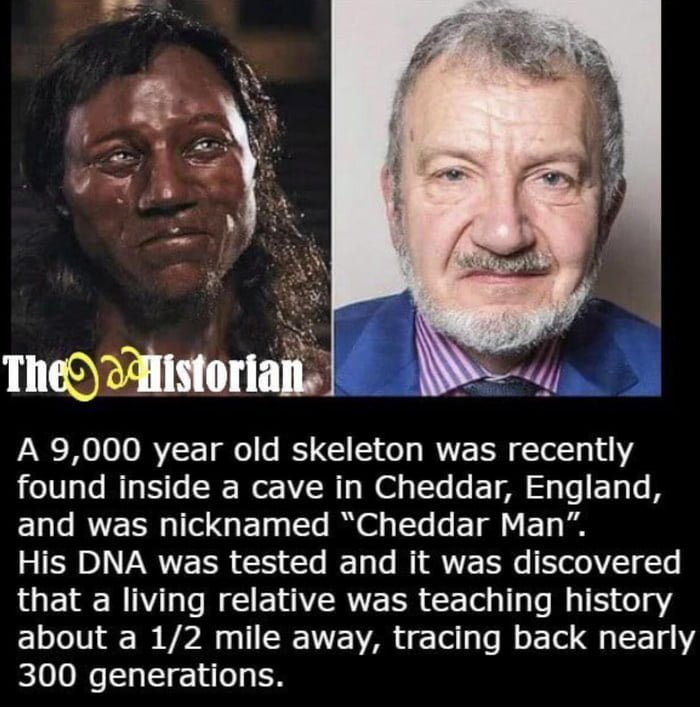
Around nine to ten generations typically occur in 300 years. This fascinating concept delves into the intricate connections between individuals across the span of centuries. Imagine the wealth of experiences, stories, and legacies that can be traced back through each generation. Delving into ‘how many generations in 300 years’ unveils a captivating journey through time, revealing the enduring impact of our ancestors on the present. Join us as we explore the depth and breadth of familial connections that span through the generations.

How Many Generations in 300 Years: Exploring Family History Through the Ages
Have you ever wondered how many generations have passed in the span of 300 years? The journey of time can be fascinating, especially when we consider the legacy of our ancestors and the stories they leave behind. In this blog post, we will delve into the concept of generations, unraveling the mystery of how many have come before us in the past three centuries.
What is a Generation?
Before we dive into the calculations of generations over 300 years, let’s first understand what a generation actually means. A generation is typically defined as the average time it takes for a child to grow up, become an adult, and have children of their own. This period can vary depending on cultural, historical, and demographic factors.
On average, a generation is considered to be around 25 years. However, it’s important to note that this number can fluctuate based on individual circumstances and societal norms. With this in mind, we can now start to unravel the generations that may have existed over the course of 300 years.
Generations in 300 Years: The Math Behind It
Now, let’s put on our mathematical hats and calculate the number of generations that could have passed in 300 years. To do this, we simply divide the total number of years by the average length of a generation.
300 years / 25 years per generation = 12 generations
Based on this calculation, it’s estimated that approximately 12 generations have come and gone in the time span of 300 years. This means that if we were to trace back our family tree, we would encounter 12 sets of ancestors spanning these three centuries.
Exploring Family History Through Generations
Each generation carries with it a unique story, a blend of experiences, traditions, and values that are passed down from one family member to the next. As we reflect on the 12 generations that have unfolded over 300 years, we can uncover a rich tapestry of history that shapes who we are today.
The First Generation: Pioneers of the Past
Imagine the first generation that embarked on this journey 300 years ago. They were the pioneers, the trailblazers who laid the foundation for generations to come. Their struggles, triumphs, and aspirations are etched into the fabric of our family history, guiding us along our own paths.
The Middle Generations: Navigating Change and Progress
As we move through the centuries, each subsequent generation faced its own challenges and opportunities. From wars and revolutions to technological advancements and societal shifts, our ancestors navigated a changing world with resilience and adaptability.
The Modern Generation: Embracing Diversity and Innovation
Fast forward to the present day, where we find ourselves amidst the 12th generation of our family tree. Our generation is characterized by diversity, interconnectedness, and a rapid pace of change. We stand on the shoulders of those who came before us, carrying forward their legacy while shaping the future for generations to come.
Conclusion: The Tapestry of Generations
In conclusion, the concept of generations in the context of 300 years offers us a window into the past, present, and future of our family history. Each generation plays a vital role in shaping the narrative of who we are and where we come from. By exploring the 12 generations that have unfolded over three centuries, we gain a deeper appreciation for the interconnectedness of our familial roots.
As we reflect on the stories of our ancestors, let us carry forward their wisdom, resilience, and spirit of innovation into the world around us. Our family history is a tapestry woven with the threads of generations past, present, and future, creating a legacy that endures through the sands of time.
So, the next time you look back at your family tree, remember the 12 generations that have paved the way for you, each contributing their own chapter to the ongoing story of your legacy.
How many generations have passed in 300 years? Twelve, each adding their unique colors to the vibrant canvas of your family history.
Comparison: Oldest people in the world history
Frequently Asked Questions
How many generations typically occur within a 300-year period?
On average, a generation is considered to be around 25-30 years. Therefore, in a span of 300 years, there are usually 10-12 generations that take place.
Does the number of generations in 300 years stay consistent across different cultures and historical periods?
The number of generations in 300 years can vary slightly depending on cultural norms and historical factors. However, the general estimation of 10-12 generations remains a common guideline across many societies.
What factors can influence the number of generations that occur in a 300-year timeframe?
Factors such as life expectancy, cultural practices regarding marriage and childbearing, and societal changes can all impact the number of generations within a 300-year period. For example, shorter life spans may lead to more generations, while cultural traditions can influence the timing of parenthood.
Final Thoughts
In conclusion, over 300 years, approximately ten to twelve generations can arise. This highlights the rapid pace at which society evolves, with each generation building upon the progress of their predecessors. Understanding how many generations in 300 years serves as a reminder of the continuous cycle of renewal and growth within families and communities. Embracing this notion can provide valuable insights into the interconnected nature of human history and the passing down of traditions across generations.