
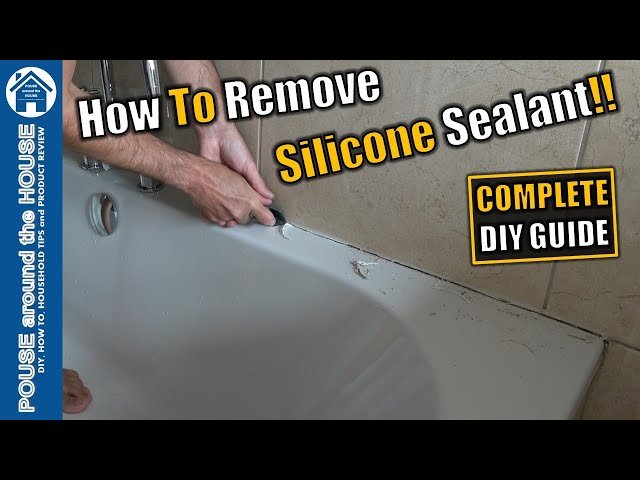
To remove sealant effectively, start by softening it with a commercial sealant remover or a mixture of vinegar and baking soda. Apply the solution to the sealant and let it sit for a few hours to weaken the bond. Next, use a putty knife or scraper to gently peel away the softened sealant. Repeat the process as needed for stubborn areas. Proper removal ensures a smooth surface for resealing. Mastering the art of how to remove sealant saves time and effort on maintenance tasks.

How to Remove Sealant: A Comprehensive Guide
Welcome, DIY enthusiasts and home improvement aficionados! In this detailed guide, we will delve into the intricate world of sealants and explore the best techniques for removing them effectively. Whether you’re tackling a bathroom renovation project or simply looking to refresh your kitchen countertops, knowing how to remove sealant properly is crucial. Let’s roll up our sleeves and get started!
The Importance of Removing Sealant Correctly
Before we dive into the removal process, it’s essential to understand why removing sealant correctly is crucial. Sealants, such as silicone and caulk, are commonly used to fill gaps and prevent water leakage. Over time, sealants can deteriorate, leading to cracks, mold growth, and overall aesthetic issues. By removing old sealant properly, you ensure a clean surface for reapplication, preventing future problems and ensuring a professional finish.
Gathering the Necessary Tools
First things first, let’s gather the tools you’ll need for the sealant removal process. You will require:
Tools:
- Razor blade or utility knife
- Putty knife
- Sealant remover solution
- Isopropyl alcohol
- Cloth or rag
- Protective gloves
- Safety goggles
Once you have your tools ready, we can move on to the step-by-step process of removing sealant.
Step-by-Step Guide to Removing Sealant
Step 1: Preparation
Before you begin the removal process, ensure the area is well-ventilated and gather all the necessary tools. Put on your protective gloves and safety goggles to prevent any accidents during the process.
Step 2: Softening the Sealant
Using a sealant remover solution, apply a generous amount of the product over the sealant you wish to remove. Let it sit for the recommended time as per the product instructions to soften the sealant for easier removal.
Step 3: Scoring the Sealant
Once the sealant has softened, take a razor blade or utility knife and carefully score along the edges of the sealant. This will help loosen the sealant from the surface and make it easier to peel off.
Step 4: Peeling Off the Sealant
Using a putty knife, gently start peeling off the softened sealant from the surface. Take your time and work methodically to ensure you remove as much of the old sealant as possible.
Step 5: Removing Residual Sealant
After peeling off the bulk of the sealant, there may be residual bits left on the surface. Use the razor blade or utility knife to carefully scrape off these remaining pieces. Be cautious not to damage the underlying surface.
Step 6: Cleaning the Surface
Once all the sealant has been removed, clean the surface thoroughly with isopropyl alcohol and a cloth or rag. This will help remove any remaining residue and ensure a clean surface for reapplication of sealant.
Congratulations, you’ve successfully learned how to remove sealant like a pro! By following the steps outlined in this guide and using the right tools and techniques, you can tackle sealant removal with confidence. Remember, patience is key, and taking your time to remove sealant properly will yield the best results. Now, armed with this knowledge, you can tackle your next home improvement project with ease. Happy DIY-ing!
Remember, proper safety precautions should always be followed when working with tools and chemicals. If in doubt, consult a professional for assistance.
How To Remove Silicone Sealant – DIY At Bunnings
Frequently Asked Questions
How can I remove sealant from a surface?
To remove sealant from a surface, you can start by using a utility knife or a razor blade to carefully cut away the old sealant. Then, apply a commercial sealant remover following the manufacturer’s instructions. After allowing the remover to work its magic, use a scraper or a putty knife to gently lift off the softened sealant. Finally, clean the area with a solvent or soap and water to remove any residue.
Can I use heat to remove sealant effectively?
Yes, applying heat can help soften the sealant, making it easier to remove. You can use a heat gun or a hairdryer to gently warm up the sealant before attempting to scrape it off. Be cautious to avoid overheating the surface, and always wear protective gloves and goggles when working with heat.
What are some eco-friendly methods to remove sealant?
If you prefer eco-friendly options, you can try using white vinegar or baking soda paste to break down the sealant. Simply apply the vinegar or baking soda paste to the sealant, let it sit for a while to penetrate, then scrub the area with a brush or sponge. Rinse with water to reveal a clean surface without harsh chemicals.
Final Thoughts
In conclusion, removing sealant is an important step in maintaining a clean and polished surface. To effectively remove sealant, start by softening it with a sealant remover solution. Then, carefully scrape off the softened sealant using a plastic scraper. Finally, clean the area thoroughly with a damp cloth to ensure all residue is removed. Following these steps will help you successfully remove sealant and prepare the surface for resealing if needed.