
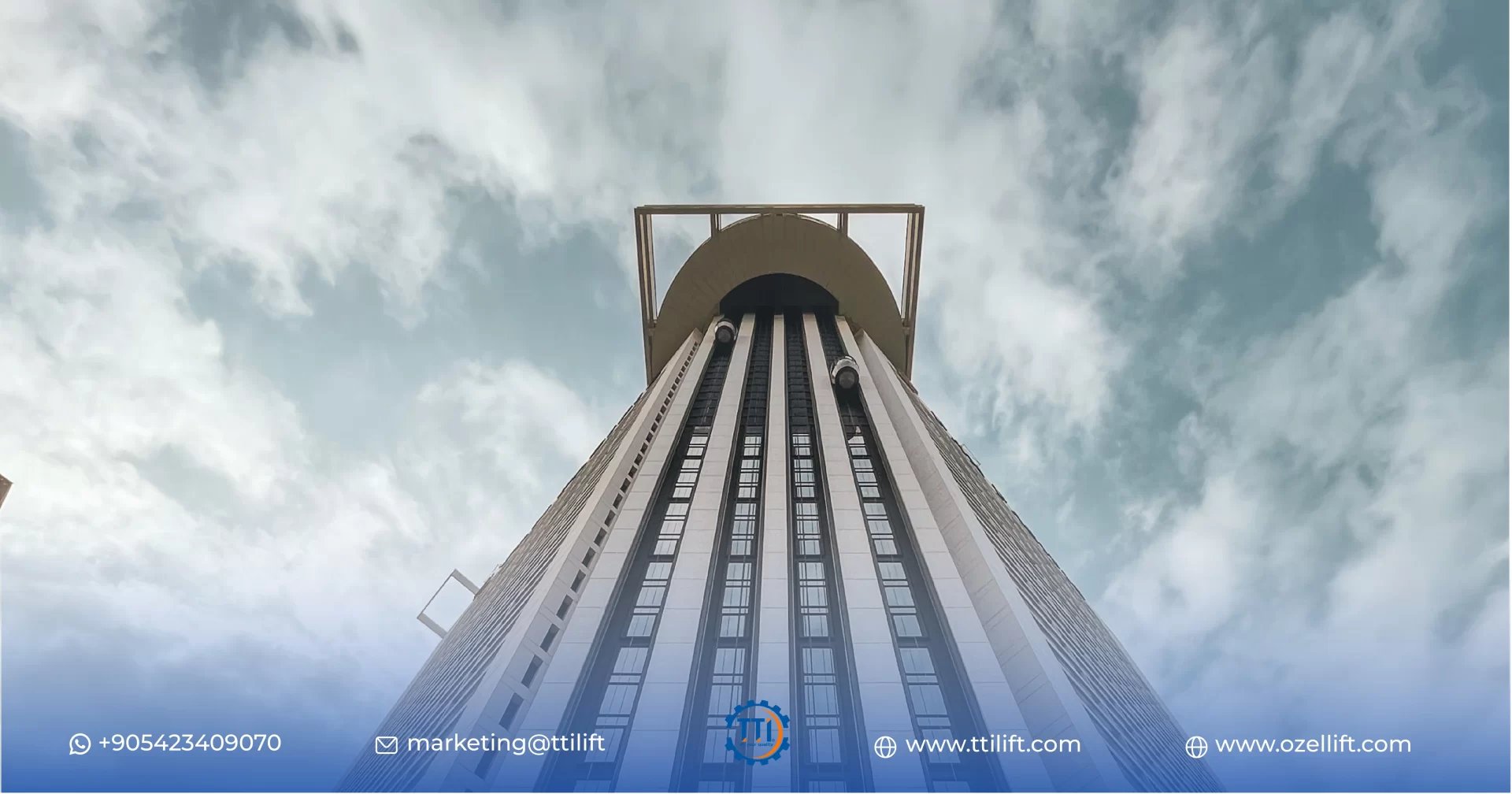
Elevators, the modern marvel of vertical transportation, move at varying speeds depending on the type and design. So, how fast does an elevator move? The answer lies in the mechanism and purpose behind its operation. From sleek high-speed elevators in skyscrapers to standard models in residential buildings, the speed at which an elevator ascends or descends impacts the overall efficiency and experience of the ride. Let’s delve into the fascinating world of elevator speeds and discover how these vertical transports swiftly navigate through buildings.

Exploring the Speed of Elevators
Welcome, young readers, to an exciting journey where we will delve into the fascinating world of elevators and uncover the answer to the question: How fast does an elevator move? Elevators are a crucial part of our daily lives, zipping us up and down tall buildings in a matter of seconds. So, let’s buckle up and explore the speed at which these amazing machines operate!
The Basics of Elevator Speed
Before we dive into the specifics, let’s first understand the basics of how elevators work. Elevators are equipped with powerful motors that control their movement. These motors drive a system of ropes and pulleys, allowing the elevator car to move smoothly between floors.
Now, when it comes to the speed of an elevator, it can vary depending on several factors. One of the main factors that determine elevator speed is the type of building it is installed in. High-rise buildings typically have faster elevators compared to low-rise buildings.
Factors Influencing Elevator Speed
There are several key factors that influence how fast an elevator can move. Let’s take a closer look at some of these factors:
Building Height
The height of a building plays a significant role in determining the speed of its elevators. Taller buildings require faster elevators to transport people efficiently between floors. As a result, high-rise buildings often have elevators that can reach speeds of up to 1,000 meters per minute!
Technology and Design
Advancements in technology have greatly improved elevator speeds over the years. Modern elevators are equipped with high-speed motors and sophisticated control systems that allow for smooth and swift movement. Additionally, the design of the elevator shaft and car also impact its speed.
Weight Capacity
The weight capacity of an elevator can also affect its speed. Elevators carrying heavier loads may move more slowly to ensure the safety of passengers and the elevator system. It’s important for elevators to operate within their designated weight limits to maintain optimal speed and performance.
Types of Elevator Systems
There are different types of elevator systems that operate at varying speeds. Let’s explore a few common types:
Traction Elevators
Traction elevators are one of the most common types of elevators found in tall buildings. These elevators use cables and a counterweight system to move the elevator car. Traction elevators can reach speeds of up to 20 miles per hour, making them ideal for high-rise structures.
Hydraulic Elevators
Hydraulic elevators operate using a system of pistons and fluid to move the elevator car. While hydraulic elevators are typically slower than traction elevators, they are well-suited for low to mid-rise buildings. Hydraulic elevators can reach speeds of around 200 feet per minute.
Gearless Elevators
Gearless elevators are known for their smooth and quiet operation. These elevators use a gearless traction system that allows them to achieve high speeds while maintaining energy efficiency. Gearless elevators can reach speeds of up to 40 miles per hour, making them a popular choice for modern skyscrapers.
Impact of Speed on Elevator Ride Experience
Have you ever wondered why some elevator rides feel smoother and faster than others? The speed of an elevator can greatly impact the overall ride experience for passengers. Faster elevators provide a more efficient and enjoyable ride, reducing wait times and travel duration between floors.
However, it’s essential to strike a balance between speed and safety when it comes to elevator operation. Elevators are designed to adhere to strict safety standards to ensure the well-being of passengers. This means that while speed is important, it should never compromise the safety and comfort of those riding the elevator.
So, there you have it, young explorers! Elevators come in various shapes and sizes, each offering a unique speed and performance characteristic. From high-speed traction elevators in skyscrapers to reliable hydraulic elevators in smaller buildings, the speed at which an elevator moves is a crucial factor in its efficiency and functionality.
Next time you step into an elevator, take a moment to appreciate the intricate mechanisms that power its movement and the careful engineering that ensures a safe and speedy ride to your desired floor. Elevators may move at different speeds, but they all share one common goal: to transport you effortlessly from one level to another in the blink of an eye!
Riding the full loop of Paternoster Elevator (no doors, never stops)
Frequently Asked Questions
How fast can an elevator move?
An elevator’s speed typically ranges from 500 feet per minute to 2000 feet per minute, depending on the type of building and its height. High-rise buildings usually have faster elevators to reduce travel time for passengers.
What factors determine the speed of an elevator?
The speed of an elevator is influenced by various factors such as the capacity of the elevator, the type of building it serves, the distance it needs to travel, and the technology used in its construction. Hydraulic elevators are generally slower than traction elevators.
Are there any safety regulations regarding the speed of elevators?
Yes, elevator speed is regulated by safety codes and standards to ensure the safety of passengers. The speed limit is set to prevent discomfort or potential accidents due to rapid acceleration or deceleration.
Final Thoughts
Elevators generally move at speeds ranging from 500 to 2000 feet per minute. The rate at which elevators move primarily depends on the building’s height and design. Factors like the type of elevator system and safety regulations also impact speed. Understanding how fast elevators move is essential for both passengers and building managers in predicting travel times accurately. It is crucial to consider these speed factors for efficient building operations and overall passenger experience.