
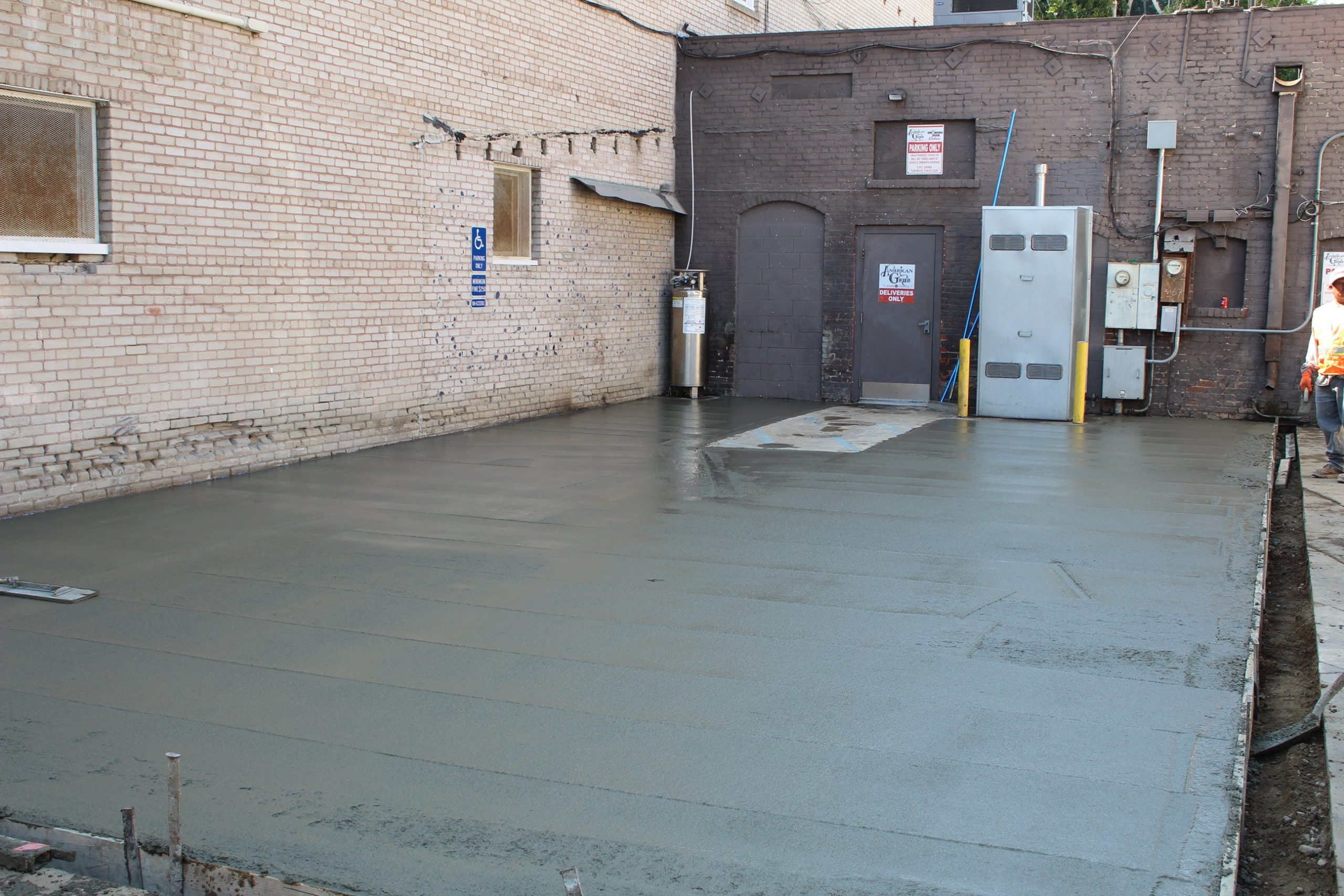
How long before walking on concrete? This common question often arises when dealing with freshly poured concrete surfaces. The key to ensuring the durability and longevity of your concrete is allowing ample time for it to cure properly. Rushing this process can lead to structural issues down the line. Patience is indeed a virtue when it comes to concrete work. Understanding the timeline for when it is safe to walk on your concrete can save you time, money, and hassle in the long run. Let’s delve into the specifics of this crucial aspect of concrete maintenance.

How Long Before Walking on Concrete: A Comprehensive Guide
Concrete is all around us – from sidewalks to driveways and even flooring inside our homes. But have you ever wondered how long it takes before you can walk on freshly poured concrete without damaging it? In this detailed guide, we will explore the factors that determine how long you should wait before walking on concrete to ensure its durability and longevity.
Understanding the Curing Process
Before we dive into how long you should wait before walking on concrete, let’s first understand the curing process. Curing is the chemical process that allows concrete to reach its maximum strength and durability. It involves the concrete hardening and gaining strength over time through a series of hydration reactions.
When concrete is freshly poured, it is in a plastic state and needs time to set and harden. During this time, the concrete is vulnerable to damage from external factors such as foot traffic, which can negatively impact its structural integrity. This is why it is crucial to wait for the concrete to cure properly before walking on it.
Factors Affecting the Curing Time
Several factors can influence how long it takes for concrete to cure fully. These factors include:
1. Type of Concrete Mix
The composition of the concrete mix plays a significant role in determining the curing time. Different types of concrete mixes have varying curing requirements, with some needing more time to achieve optimal strength.
2. Weather Conditions
Weather conditions, such as temperature and humidity, can affect the curing time of concrete. In general, concrete cures faster in warm temperatures with low humidity, while cold or wet conditions can delay the curing process.
3. Thickness of the Concrete
The thickness of the concrete slab also impacts the curing time. Thicker slabs take longer to cure than thinner ones due to the larger volume of concrete that needs to harden.
4. Additives and Accelerators
The use of additives or accelerators in the concrete mix can speed up the curing process. These substances help enhance the hydration reactions, allowing the concrete to cure faster.
Recommended Waiting Times
While the exact time it takes for concrete to cure can vary based on the factors mentioned above, here are some general guidelines on how long you should wait before walking on different types of concrete surfaces:
1. Sidewalks and Driveways
For sidewalks and driveways, it is recommended to wait at least 24 to 48 hours before walking on them. However, it is best to avoid heavy foot traffic or driving on the surface for the first 7 days to allow the concrete to cure fully.
2. Indoor Concrete Floors
If you have recently poured concrete floors indoors, it is advisable to wait 48 to 72 hours before walking on them. Avoid placing heavy furniture or equipment on the floors for the first week to prevent any damage.
3. Stamped Concrete
Stamped concrete surfaces require a longer curing time due to the intricate designs. It is recommended to wait 3 to 5 days before walking on stamped concrete to ensure the patterns set properly and the concrete cures evenly.
Signs That Concrete is Ready for Foot Traffic
To determine if the concrete is ready for foot traffic, look out for these signs:
– The surface is hard and no longer feels soft or spongy to the touch.
– There are no visible marks or imprints left when pressure is applied to the concrete.
– The concrete has attained its desired strength based on the type of mix used.
In conclusion, knowing how long to wait before walking on concrete is essential to ensure the durability and longevity of the surface. By understanding the curing process and considering factors such as weather conditions and concrete thickness, you can make informed decisions on when it is safe to walk on freshly poured concrete. Remember to follow the recommended waiting times and signs of readiness before subjecting the concrete to foot traffic to avoid any damage.
How Long Should Concrete Cure Before Walking On It? – Civil Engineering Explained
Frequently Asked Questions
How long should I wait before walking on newly poured concrete?
It is recommended to wait at least 24 to 48 hours before walking on newly poured concrete. However, the actual time can vary depending on factors such as weather conditions, the type of concrete mix used, and the specific instructions provided by the contractor.
Can I expedite the drying process to enable early walking on concrete?
While it’s tempting to speed up the drying process, it’s essential to follow the recommended waiting period to ensure the concrete cures properly. Premature walking on concrete can lead to cracks and other damages, so it’s best to be patient and allow sufficient time for the concrete to set.
Is there a difference in the waiting time before walking on indoor vs. outdoor concrete?
The waiting time before walking on indoor and outdoor concrete can be similar, typically around 24 to 48 hours. However, outdoor concrete may require a bit more time due to exposure to varying weather conditions and moisture levels, which can affect the drying process.
Final Thoughts
After pouring concrete, it’s crucial to allow sufficient time to cure before walking on it. Typically, concrete reaches enough strength to support foot traffic after about 24 to 48 hours. However, for full curing and maximum strength, it’s advisable to wait at least 7 days before walking on newly poured concrete. Rushing this process can compromise the durability and longevity of your concrete surface. Patience is key when determining how long before walking on concrete.